Securing a residential property requires an uncompromising barrier against biological invaders that exploit South Carolina's intense heat and river basin moisture. Property owners requiring a certified pest control sevice columbia partner receive systematic architectural assessments, non-repellent liquid soil treatments, and mechanical exclusion sweeps that eliminate active colonies at their physical origin.
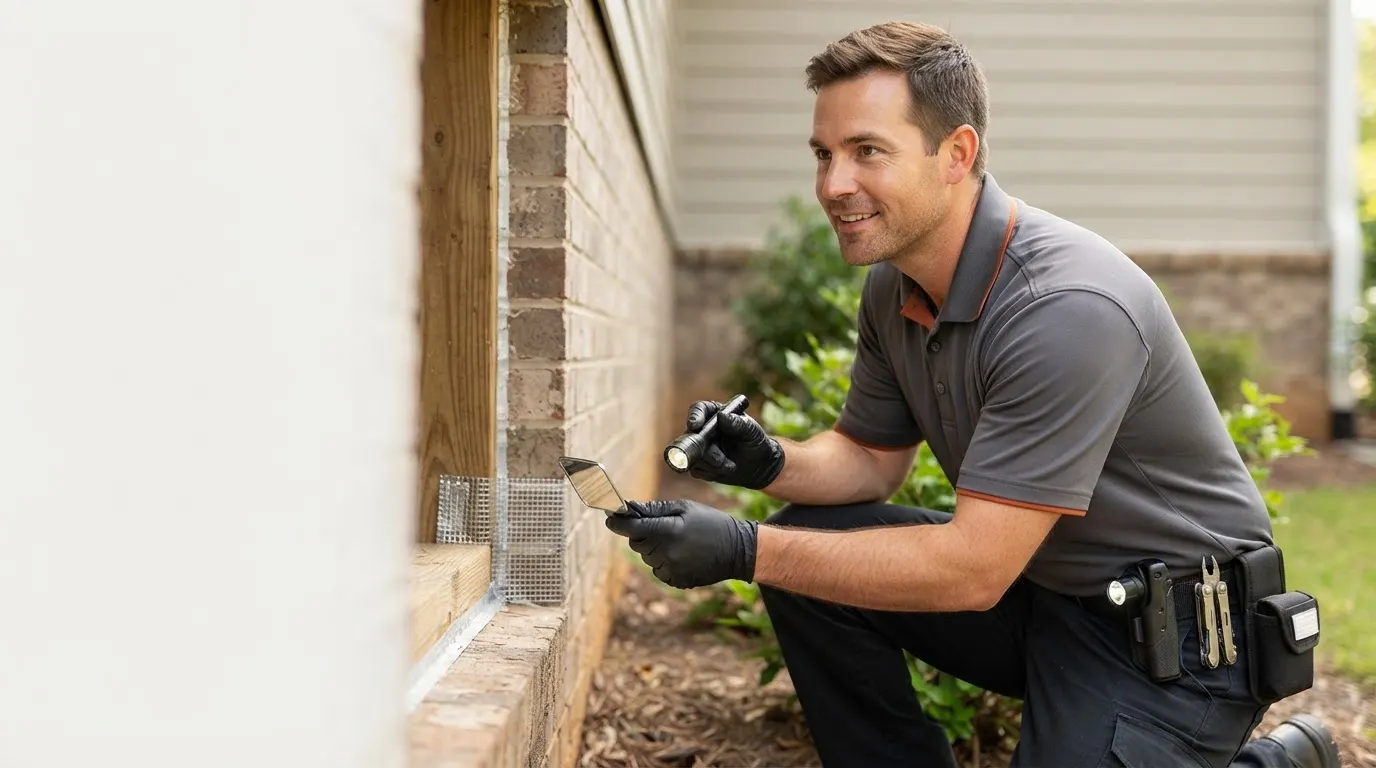
A professional PEST CONTROL SEVICE company in columbia is a specialized environmental remediation contractor that inspects residential architecture, identifies biological ingress vectors, executes targeted eradication protocols, and seals exterior gaps to stop infestations across Richland County properties.
Every service reflects the same meticulous attention to detail, whether it's a single job or a larger pest control sevice project across columbia.
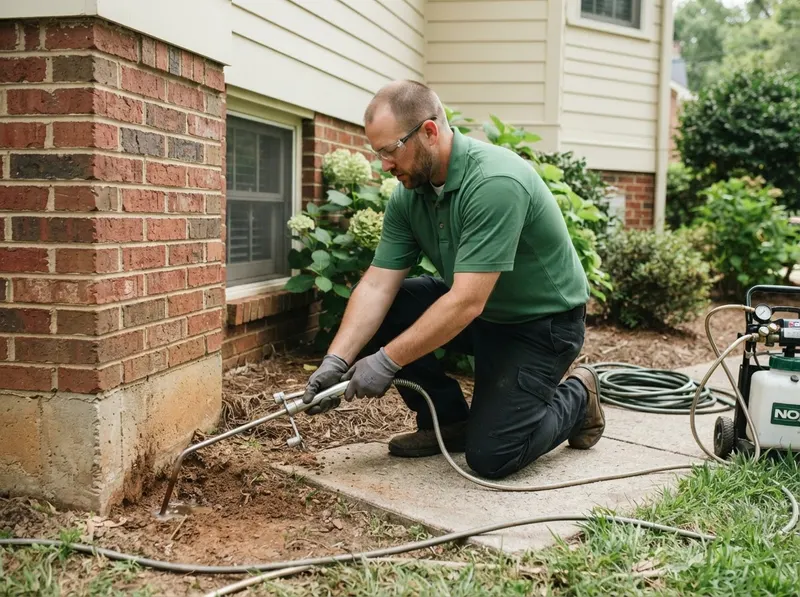
Subterranean termites, primarily Reticulitermes flavipes , establish destructive underground supercolonies throughout the humid red-clay soils of the Midlands. Structural defense requires digging continuous perimetral trenches 6 inches wide and 6 inches deep around foundation footings, followed by the hydraulic injection of non-repellent termiticide solutions at a rate of 4 gallons per 10 linear feet. Field technicians treat expansion joints, drill hollow masonry piers, and apply localized borate solutions to crawl space framing timbers to halt structural fiber consumption permanently. By adhering to strict building construction standards outlined by the National Association of Home Builders , our teams eliminate active subterranean colonies while establishing an impenetrable subterranean barrier around structural footings that repels foragers for years.
Get a quote →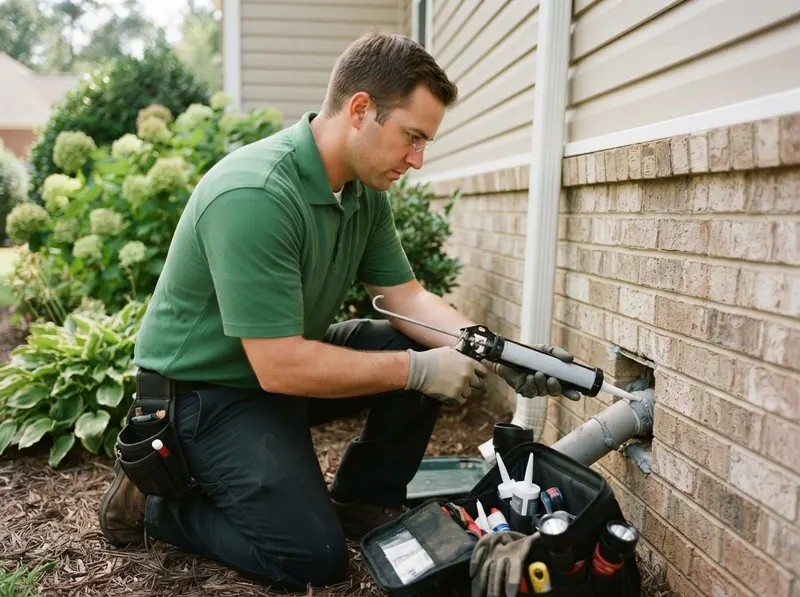
Roof rats and Norway rats exploit overhead pine canopies, utility penetrations, and damaged crawlspace screens to penetrate residential envelopes. Technicians execute complete architectural exclusion by sealing every foundation gap, crawlspace vent, and roofline interface larger than 0.25 inches with 19-gauge galvanized hardware cloth, copper wire mesh, and metal flashing. Targeted internal mechanical trapping protocols clear existing occupants within 72 hours, eliminating the health risks and foul odors associated with secondary poison decay inside wall voids. Our exclusion techniques adhere directly to rodent management guidelines established by the Centers for Disease Control and Prevention , preventing dangerous viral spread from murine vectors.
Get a quote →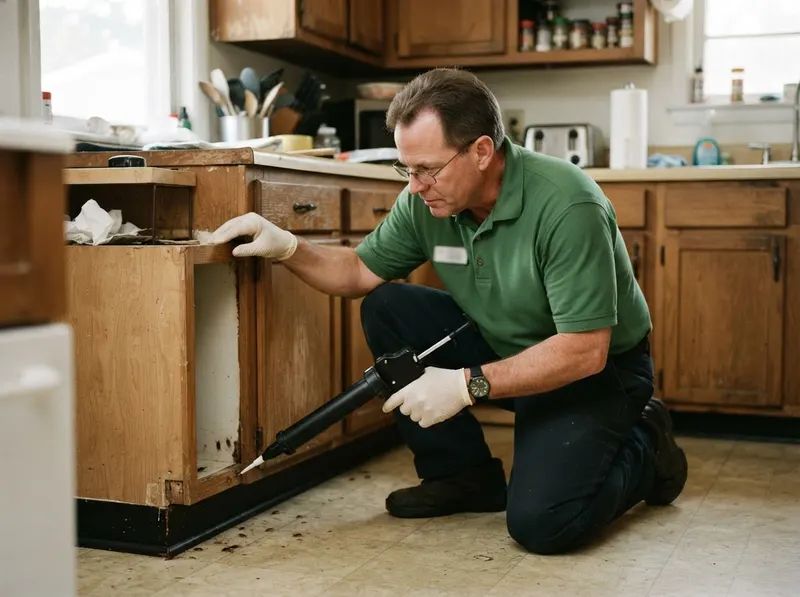
Aggressive cockroach infestations within kitchens, utility rooms, and multi-unit plumbing chases require precision chemical rotation rather than hazardous room fogging. Treatment protocols deploy abamectin and hydramethylnon bait matrices directly into cabinet hinges, motor housings, sub-counter gaps, and plumbing chases, supplemented by micro-encapsulated synthetic pyrethroids and juvenile insect growth regulators ( IGR compounds ). This dual-action strategy arrests embryonic molting cycles, eliminating established indoor reproduction within 14 to 21 days. Technicians establish sanitary monitoring protocols to track residual populations, verifying complete mechanical and biological population clearance before concluding active treatment operations.
Get a quote →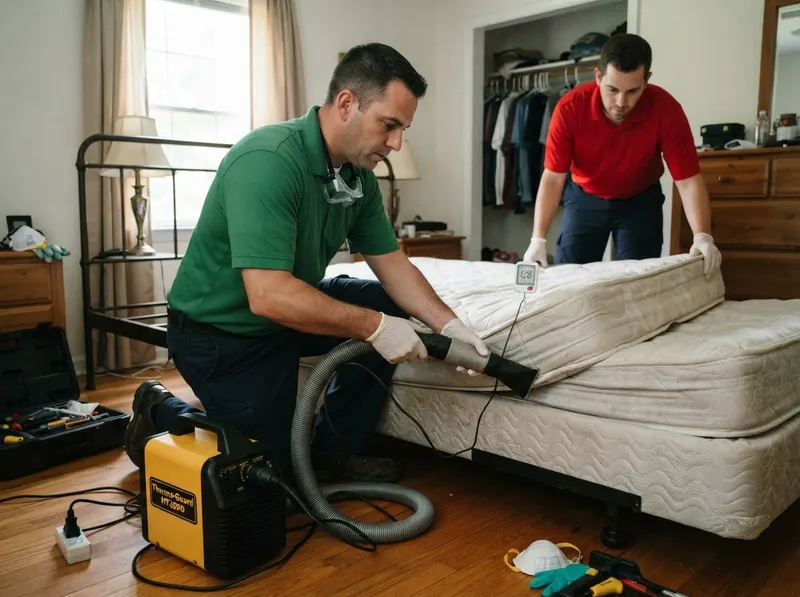
Bed bugs shelter deep inside box springs, baseboard crevices, mattress seams, and electrical outlet boxes, emerging during host rest periods to feed. Field crews conduct thorough visual inspections before executing localized high-temperature steam applications exceeding 160 degrees Fahrenheit, which instantly coagulates bed bug proteins across all developmental phases, including egg shells. Residual desiccant dusts, such as amorphous silica gel, are electrostatically dusted behind wall outlet faceplates and perimeter flooring to intercept surviving stragglers. All protocol steps operate in strict alignment with guidelines published by the National Pest Management Association , ensuring zero off-target pesticide contamination in sleeping quarters.
Get a quote →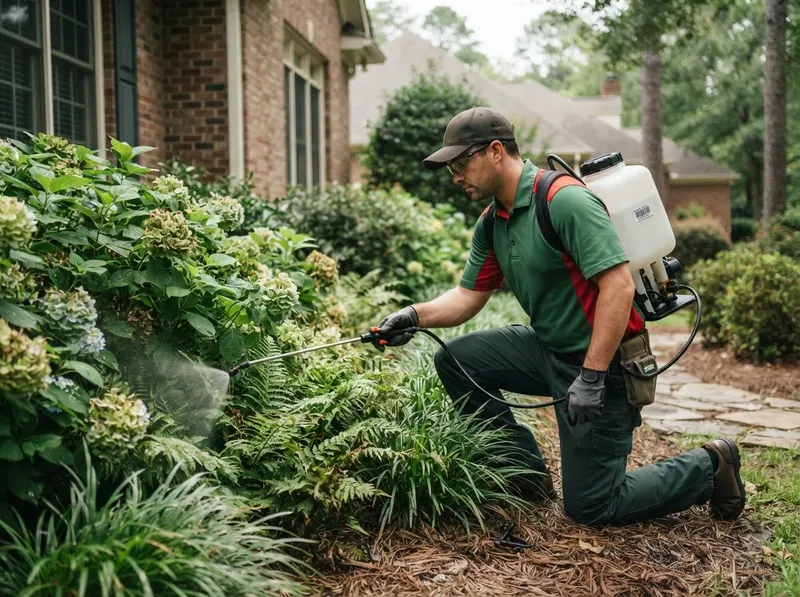
Midlands floodplains and urban humidity foster intensive populations of Asian tiger mosquitoes ( Aedes albopictus ) between April and October. Technicians conduct physical site sanitation to eliminate stagnant water pockets in gutters, birdbaths, and exterior catch basins, applying biological Bacillus thuringiensis israelensis (BTI) larvicides to un-drainable water features. Automated misting equipment applies encapsulated adulticides specifically to the shaded undersides of broadleaf vegetation and structural soffits where resting adults seek refuge from daytime heat. Following vector surveillance standards maintained by the American Mosquito Control Association , our applications minimize environmental impact on non-target pollinators while slashing localized biting pressure by upwards of 90 percent.
Get a quote →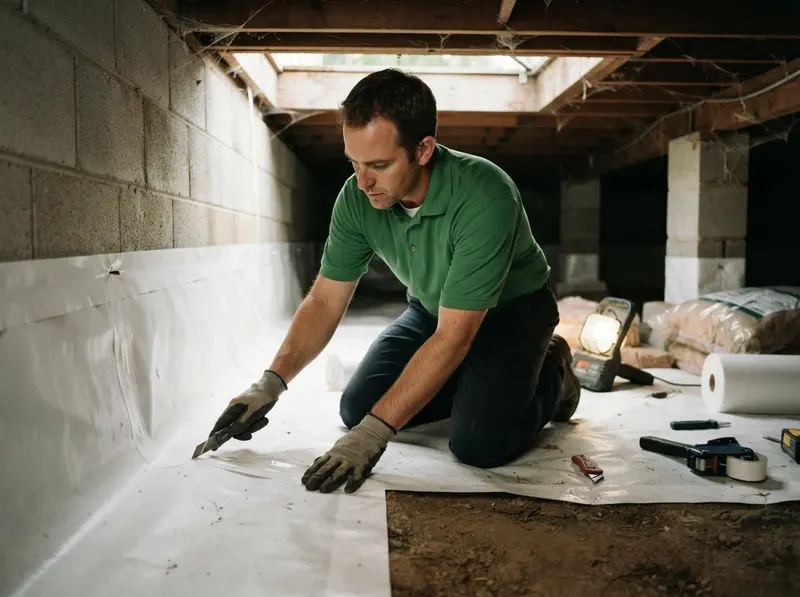
Unregulated humidity inside crawl spaces drives fungal growth and provides ideal habitat conditions for wood-boring powderpost beetles, termites, and camel crickets. Teams extract contaminated insulation, level the earthen floor, and lay durable 12-mil to 20-mil woven poly vapor barriers sealed with moisture-resistant tape across 100% of exposed ground. Foundation vent covers, closed-cell foam band-joist insulation, and commercial-grade crawlspace dehumidifiers maintain relative humidity levels below 55%, starving biological pests of essential ambient moisture. We design every closed crawl space in accordance with energy and structural guidelines provided by the U.S. Department of Energy , protecting subfloor framing from dry rot and dimensional settling.
Get a quote →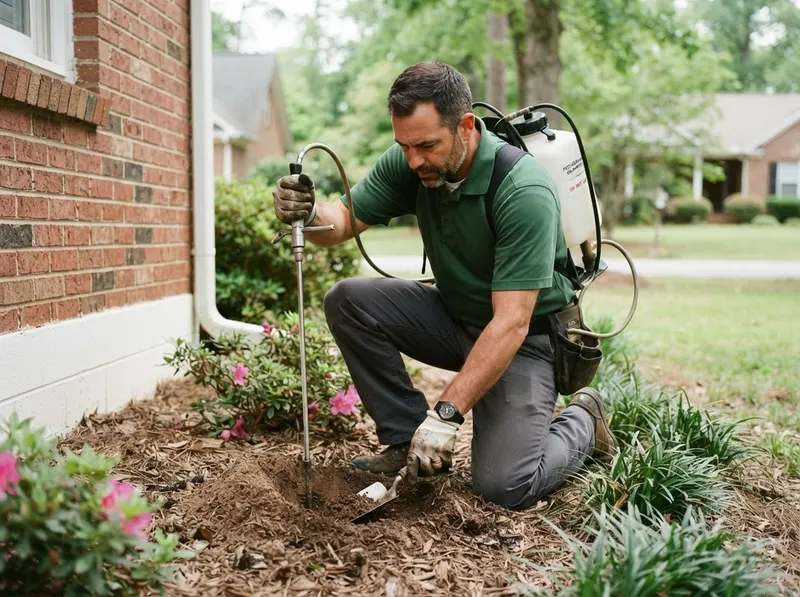
Red imported fire ants construct complex subterranean mounds that damage lawn root structures, short-circuit exterior electrical heat pump contactors, and present stinging hazards to residents and domestic animals. Defense protocols blend broadcast bait applications featuring biological growth regulators with direct hydraulic mound saturation using fast-acting active ingredients. This protocol eliminates deep reproductive queens across expansive lawns while establishing a continuous exterior chemical barrier to prevent lateral reinvasion from adjacent parcels. Following integrated pest management research from the United States Department of Agriculture , treatments target the specific physiological caste system of the colony to achieve long-term suppression without broad-spectrum chemical saturation.
Get a quote →Powderpost beetles quietly chew through subflooring, structural sill plates, and load-bearing hardwood joists, leaving distinct exit pinholes and fine wood dust across crawl space floors. Eradication requires broad-spectrum disodium octaborate tetrahydrate (DOT) spray applications directly to unsealed, bare timber surfaces. The liquid chemical penetrates structural wood fibers up to multiple inches, killing active larvae as they ingest cellular lignin and preventing future beetle generations from re-infesting internal home components. All borate treatment procedures comply with strict conservation and material safety standards maintained by the Forest Products Society , securing load-bearing capacities without releasing persistent volatile organic compounds indoors.
Get a quote →You get a firm, itemized quote for your pest control sevice before any work begins, no surprises, no pressure.
Careful prep, tidy work, and a full cleanup when we are done. We treat your home and belongings like our own.
The same trusted, background-checked team from the first call to the final check.
Selecting an effective pest management strategy depends on target biology, structural vulnerability, and the physical threshold of the invasion. gov/pesticides">EPA-registered termiticides delivers contiguous chemical interruption down to footings. If an owner discovers hollowed framing without mud tubes, structural wood injection or localized borate diffusions fit internal moisture zones.
The trade-off centers on interior disruption versus external earth displacement: liquid exterior trenching preserves finished interiors but requires trenching soil around landscaping, whereas internal foaming demands localized drilling through drywall or slab penetrations to contact hidden gallery networks. 25 inches using galvanized wire mesh and polyurea sealants; choosing repetitive rodenticide bait boxes reduces perimeter populations temporarily but leaves structural entry points completely accessible, generating ongoing re-infestation risks when juvenile rodents disperse. When remediating German cockroach or bed bug infestations, thermal or targeted micro-encapsulated spot applications combined with insect growth regulators halt juvenile reproductive cycles without airborne vapor hazards, contrasting with over-the-counter total release foggers that disperse pesticide residue over food preparation surfaces while driving breeding adults deeper into wall cavities.
When homeowners encounter seasonal mosquito surges, deploying biological larvicides into standing water combined with automated misting targets breeding reservoirs at the source; choosing retail yard sprays provides brief contact mortality for 24 to 48 hours but fails to stop larval development in drainage ditches. For properties confronting wood-boring powderpost beetles, surface application of borate salts diffuses deep into the structural cellulose to eradicate feeding larvae; relying solely on topical insecticide sprays deposits chemical residue on surface veneers without penetrating the structural core where wood consumption continues unhindered.
Every project gets a firm, written price after a free on-site visit. Ranges below for orientation.
Tell us about your pest control sevice job and we'll send a clear, written quote, usually the same day. Or just call and talk to a real columbia pro.
(839) 200-1113
Properties across Columbia face distinct biological infestation vectors dictated by the convergence of the Broad and Saluda Rivers into the Congaree River, where sustained summer humidity routinely tops 85 percent. In historic neighborhoods like Shandon, Earlewood, and Elmwood Park, aged hardwood framing, stone pier foundations, and mature live oak canopies create direct bridge lines for roof rats and subterranean termites into vulnerable crawl spaces. Modern suburban developments surrounding Lake Katherine and Forest Acres feature extensive slab foundations that conceal plumbing line entryways, allowing aggressive German cockroach and Argentine ant colonies to traverse beneath concrete undetected until extensive interior colonies mature. Commercial conversions throughout The Vista and historic mill properties in Olympia display exposed masonry joints and utility conduits that permit heavy rodent migration along railroad corridors and riverbank slopes. Furthermore, high clay density in Richland County soil impedes rapid drainage following intense summer downpours, generating saturated subsurface conditions that push subterranean termites upward into foundation weep holes and encourage intense mosquito breeding along the Columbia Canal and Riverfront Park. Environmental conditions regulated under South Carolina standards monitored by the Clemson University Department of Pesticide Regulation necessitate customized architectural defense strategies that address these distinct geological and climatic realities rather than generic broadcast applications.
Free estimates for columbia & the surrounding area.
 LakeForge Exterminating